|
|
|
|
|
|
|
|
|
|
Clemente Family Update 2/10/2025
|
|
|
|
|
|
|
|
|
|
|
|
|
|
|
|
|
|
|
|

|
IB MYP Language & Literature
|
|
Freshmen Explore Power and Injustice in Of Mice and Men
|
|
Freshmen in IB MYP Language and Literature are currently delving into John Steinbeck's poignant novel, Of Mice and Men. This classic 1937 work explores the struggles of the laboring class, a recurring theme in Steinbeck's writing of that era.
|
Students are grappling with the essential question: "How does a person's sense of their own power affect the way they behave towards others?" The novel, while focused on a specific time and place, resonates with universal themes of friendship, dreams, and the impact of power dynamics on human relationships.
|
|
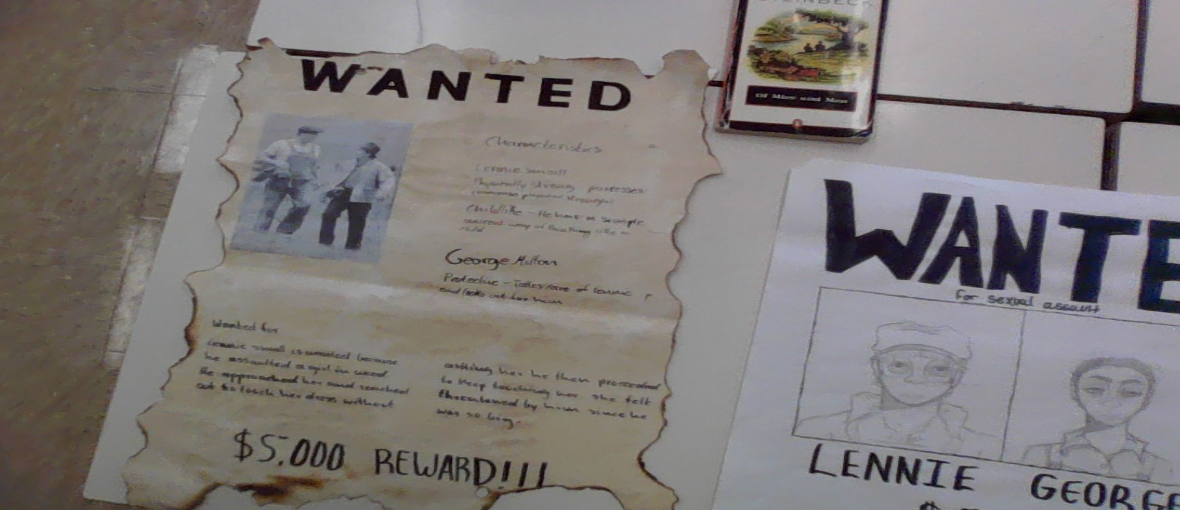
To deepen their understanding, students are analyzing how these events might unfold in today's world. For example, after encountering an act of injustice within the novel, students creatively expressed their response by designing "wanted posters" for the perpetrator.
|
This engaging study of Of Mice and Men is fostering critical thinking and insightful discussions among our freshman students.
|
|
Lengua y literatura del PAI del IB de noveno grado
|
|
Los estudiantes de primer año exploran el poder y la injusticia en De ratones y hombres
|
Los estudiantes de primer año de Lengua y Literatura del PAI del IB están profundizando actualmente en la conmovedora novela de John Steinbeck, De ratones y hombres. Esta obra clásica de 1937 explora las luchas de la clase trabajadora, un tema recurrente en los escritos de Steinbeck de esa época.
|
|
Los estudiantes se enfrentan a la pregunta esencial: "¿Cómo afecta el sentido de poder que una persona tiene a su forma de comportarse con los demás?" La novela, si bien se centra en un tiempo y lugar específicos, resuena con temas universales de la amistad, los sueños y el impacto de las dinámicas de poder en las relaciones humanas.
|
Para profundizar su comprensión, los estudiantes están analizando cómo estos eventos podrían desarrollarse en el mundo actual. Por ejemplo, después de encontrarse con un acto de injusticia en la novela, los estudiantes expresan creativamente su respuesta diseñando "carteles de búsqueda" para el perpetrador.
|
|
Este interesante estudio de Of Mice and Men está fomentando el pensamiento crítico y debates profundos entre nuestros estudiantes de primer año.
|
|
|
|

|
|
|
|
Sophomores, we know that you are working hard to start off the second semester at your best. So we want to celebrate all tenth graders who have B's or better by the time that Quarter 3 progress reports come out. If you have maintained B's or better by February 12th, you will qualify for a special Valentine's Day event with Valentine making, treats, and games. Check out the flyer below for more details or ask Mr. KZ or Ms. Dryjanski!
|
|
Estudiantes de décimo grado, sabemos que están trabajando duro para comenzar el segundo semestre de la mejor manera posible. Por eso, queremos celebrar a todos los estudiantes de décimo grado que tengan una calificación de B o superior para cuando salgan los informes de progreso del tercer trimestre. Si han mantenido una calificación de B o superior para el 12 de febrero, calificarán para un evento especial del Día de San Valentín con elaboración de artículos para el día de San Valentín, golosinas y juegos. ¡Consulten el folleto a continuación para obtener más detalles o pregúntenle al Sr. KZ o a la Sra. Dryjanski!
|
|

|
|
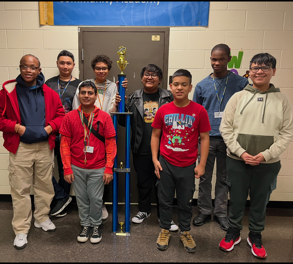
Shoutout to Ms. Albrect’s class for earning 1st place in the November and December attendance challenge! Keep up the great work, Wildcats–your dedication makes a difference!
|
|
|

|
World Studies: Ancient Empires, Civilizations, and Religions
|
In World Studies, Junior classes students have been diving deep into the fascinating history of ancient empires, civilizations, and world religions. Throughout this unit, students have been building a comprehensive understanding of how civilizations rose, what factors contributed to their success, and how religion played a pivotal role in shaping these societies. Below is an overview of what the students have been learning and engaging with during their studies.
|
|
Throughout the unit, students participated in a variety of hands-on activities and projects to deepen their understanding:
|
|
1. Comparing Civilizations
|
Students were given case studies of different ancient civilizations (such as Egypt, Mesopotamia, and the Indus Valley). They worked in groups to identify and compare the 8 characteristics of civilization across these societies. Key questions they explored included:
|
-
|
How did geography influence the development of each civilization?
|
-
|
What were the political systems in place, and how did they maintain order?
|
-
|
How did trade and technology contribute to economic growth?
|
-
|
In what ways did religion shape their culture and governance?
|
|
2. Religion Comparison Chart
|
Students created comparison charts to highlight the key similarities and differences between the five major world religions. They focused on aspects such as:
|
-
|
Beliefs about God (monotheism vs. polytheism)
|
-
|
Key religious texts (e.g., the Bible, the Qur'an, the Vedas)
|
-
|
Rituals and practices (e.g., prayer, fasting, pilgrimage)
|
-
|
Key figures (e.g., Buddha, Jesus, Muhammad)
|
|
This activity allowed students to visually grasp how different religions approached fundamental questions about life, the afterlife, morality, and human existence.
|
|
3. Class Discussions and Debates
|
Students engaged in class discussions and debates on how religion influenced the development of civilizations. They discussed questions like:
|
-
|
Did religion help unify or divide ancient societies?
|
-
|
How did religion impact the governance of empires?
|
-
|
How did religious beliefs guide the moral and ethical systems of different cultures?
|
|
These debates encouraged critical thinking and allowed students to form their own conclusions based on the evidence they learned about ancient history and religious practices.
|
Key Takeaways from the Unit
-
|
Interconnections Between Religion and Culture: Students came to understand how deeply intertwined religion was with the development of ancient civilizations, from laws and customs to the very way people interacted with the world around them.
|
-
|
Diversity of Human Experience: By studying different religions and civilizations, students gained a broader perspective on the diversity of human thought, belief, and cultural practice.
|
-
|
Critical Thinking Skills: Through comparisons and debates, students honed their ability to critically evaluate historical sources and form thoughtful, evidence-based arguments.
|
|
|
|
|
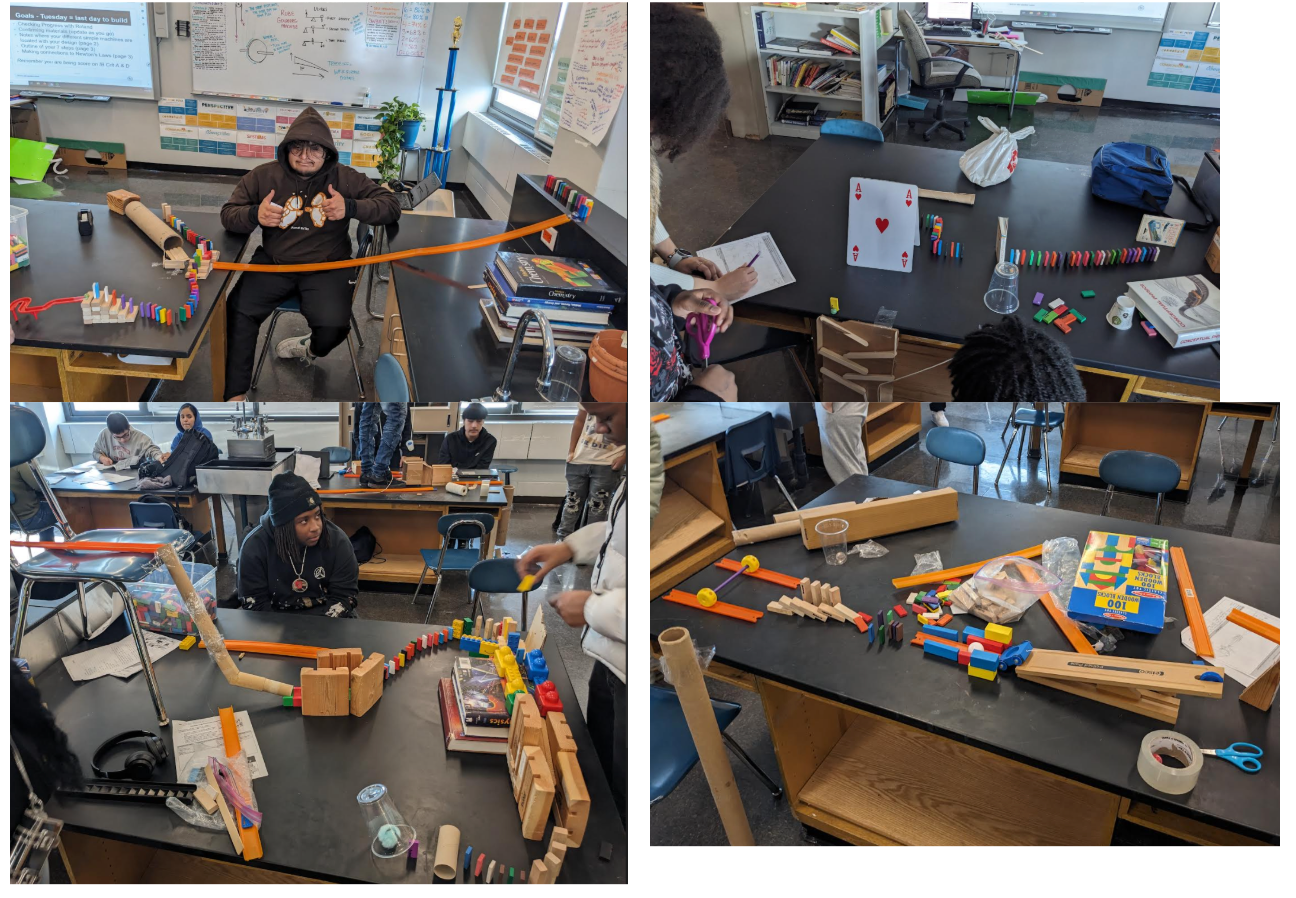
Over the past month, juniors in physics classes have been working on their mastery of using machines in conjunction with Newton’s Laws of Motion. The conclusion of this learning was for students to work together to build a Rube Goldberg Machine (a chain reaction machine) that relied on the laws of physics and machines in order to complete a task accomplished through a series of events. Students had to be able to communicate efficiently with their team members, actively apply their knowledge, and persist in a difficult and frustrating project where one bump could destroy the whole machine. Take a look at some of their designs part-way through
|
|
|

|
|
🚨 Scholarship Opportunity – Win $2,500! 🚨
|
Cirkled In is offering a $2,500 “No Sweat” Scholarship with no GPA or income requirements and no long essays! Open to all students—use the award for any educational need.
|
|
✅ Apply by March 31st, 2025
|
|
🚨 ¡Oportunidad de beca – Gana $2,500! 🚨
|
Cirkled In ofrece una beca “No Sweat” de $2,500, sin requisitos de GPA o ingresos y sin ensayos largos. ¡Está abierta a todos los estudiantes y puedes usar el premio para cualquier necesidad educativa!
|
|
✅ Aplica antes del 31 de marzo de 2025
|
|
|
|
|
|
|
|
|
|
|
|
|
|
|
|
|